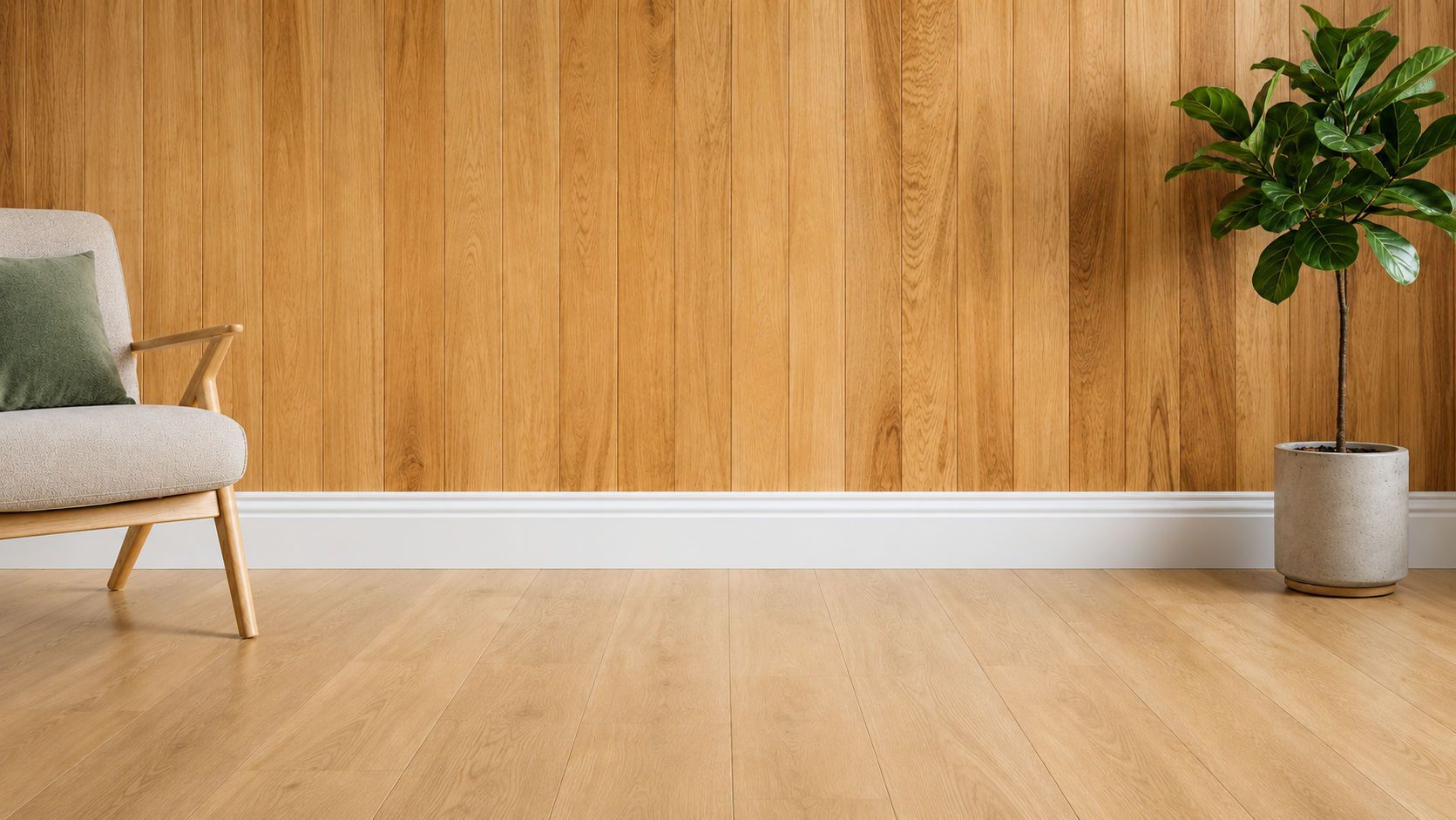
When it comes to finishing a room properly, skirtings (skirting boards) are one of the most important details — yet they’re often overlooked until the very end of a renovation or installation. A good skirting board doesn’t just “hide the gap” between your wall and flooring, it completes the look, protects your walls, and adds value to your interior finish.
But not all pine skirtings are the same.
Pine skirtings come in different grades, and the grade you choose directly affects the final appearance, durability, and ease of installation. If you want a clean, professional finish, it’s essential to know what you’re buying — and where you’re buying it from.
In this guide, we explain the different pine skirting grades, how to spot quality, and why buying prime sourced pine at competitive prices makes all the difference.
Why Pine Skirtings Are So Popular
Pine remains one of the most popular choices for skirting boards in South Africa because it offers:
✅ A classic, natural timber look
✅ Easy cutting and installation
✅ A smooth surface for painting or staining
✅ Great value compared to many hardwoods
✅ Good availability in many profile styles
Whether you’re fitting skirtings in a home, office, shop, or renovation project, pine is a versatile and cost-effective option — as long as you choose the right grade.
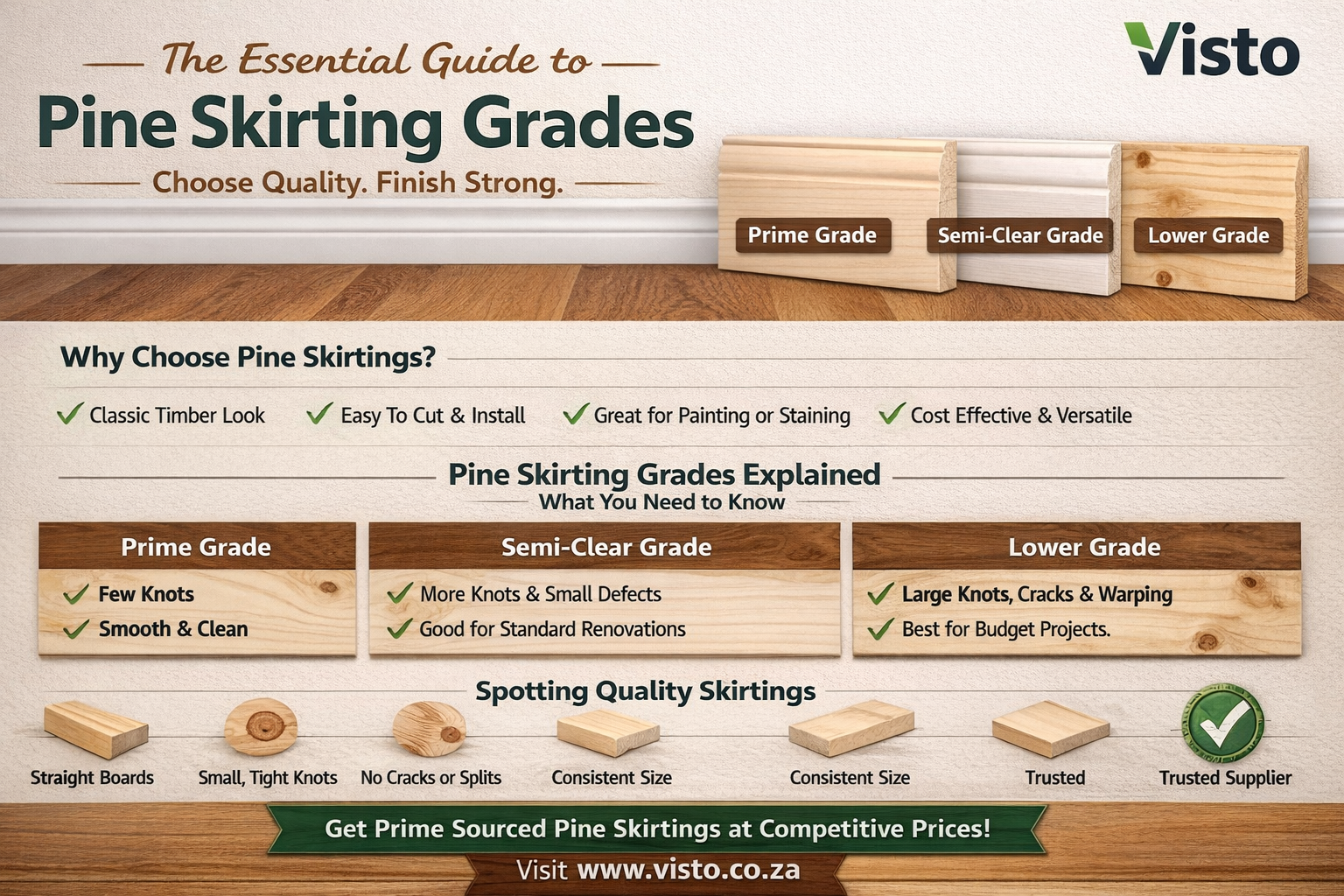
Pine Skirting Grades Explained (What It Actually Means)
Timber grading is used to classify pine based on factors like:
- Number of knots
- Knot size
- Visible defects (cracks, resin pockets, splits)
- Straightness
- Consistency of the board
The higher the grade, the cleaner and more uniform your skirting boards will look.
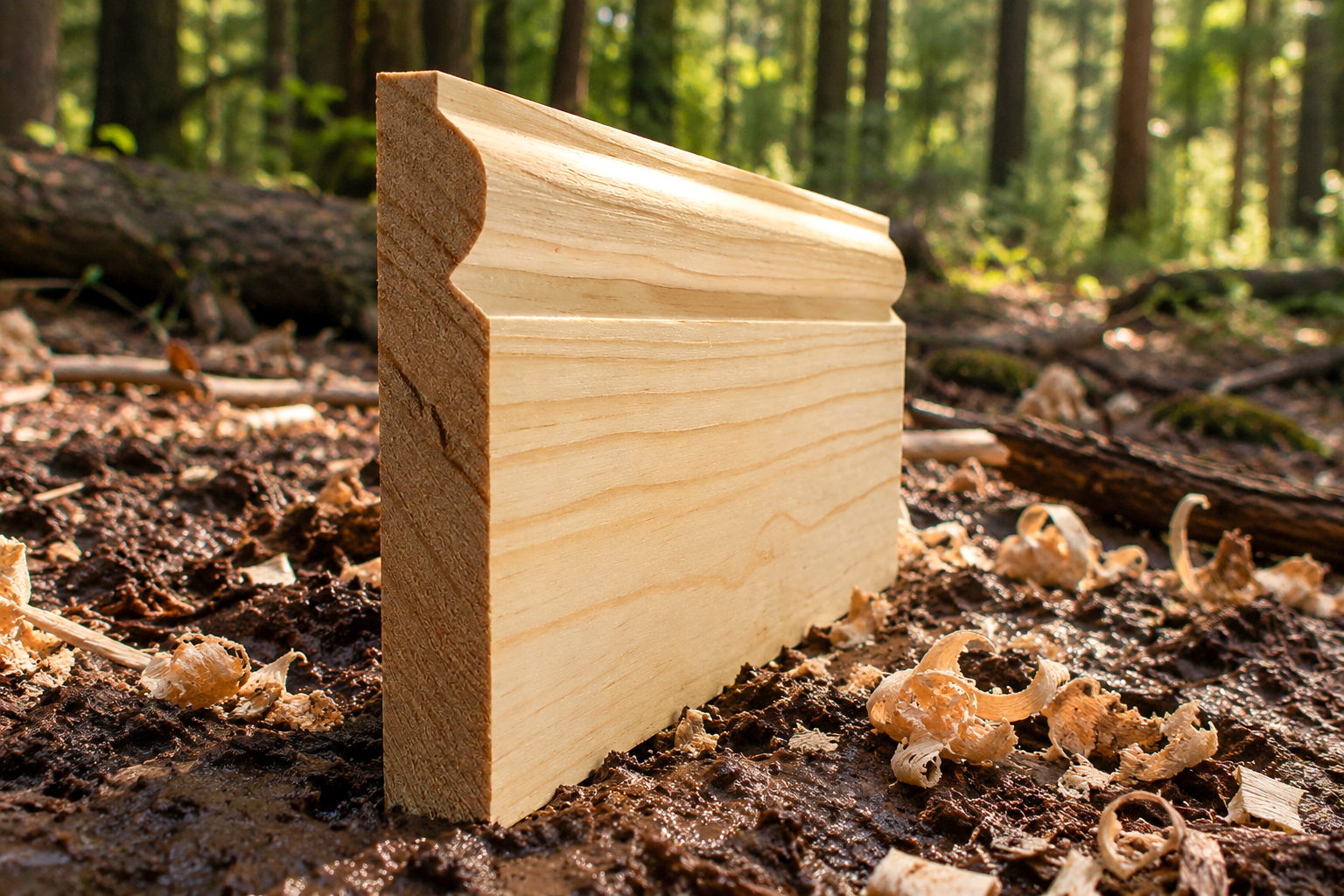
1) Prime Grade Pine Skirtings
This is the best option when you want a neat, premium finish.
Prime Grade Pine typically offers:
- Fewer knots
- Smaller knot sizes
- Minimal visible defects
- Better straightness and consistency
- Cleaner overall appearance (especially after painting)
✅ Best for: modern homes, high-end projects, visible finishes, feature interiors
✅ Why it’s worth it: easier to install, less filling and sanding, better final results
If you’re aiming for a quality finish that looks professional, prime sourced pine skirtings are the smartest choice.
2) Semi-Clear / Standard Pine Grades
These are mid-range boards that may include more natural characteristics.
Expect:
- More knots than prime grade
- Some variation in grain
- Occasional small imperfections
✅ Best for: general renovations, average home installations, painting projects
✅ Important note: you might need extra prep work (filling knots or sanding)
3) Utility / Lower Grade Pine
Lower grade pine can still be usable, but it often has more defects.
Typical characteristics include:
- Large knots or loose knots
- Warping or twisting
- More cracking or splitting
- Greater variation between boards
✅ Best for: budget projects or areas where skirtings aren’t highly visible
⚠️ Watch out: installation can be more difficult and the finish may look uneven
If you choose low-grade pine skirtings, you may end up spending more time (and money) trying to make them look good.
Why Grade Matters for Your Final Finish
Even if skirtings seem “simple”, they are one of the first things people notice when they walk into a room — especially in open-plan spaces.
Choosing the right grade impacts:
✔ Appearance
Prime grade gives you smooth, consistent boards for a cleaner visual finish.
✔ Installation
Straighter boards are easier to fit and create tighter joins at corners and edges.
✔ Paint & Finish Quality
Less knot bleed-through, fewer cracks to fill, and a better overall painted result.
✔ Long-Term Durability
Better timber quality holds its shape and finish better over time.
How to Spot Good Quality Pine Skirtings Before You Buy
Before purchasing, here are key signs of quality pine skirtings:
1) Check the Straightness
Hold the board at eye level and look along its length.
Good boards are straight with minimal warping.
2) Look at the Knots
Knots aren’t always “bad” — they’re natural — but too many large knots can weaken the board and make finishing harder.
3) Inspect for Cracks and Splits
Cracked ends often worsen during cutting and installation.
4) Consistent Dimensions
Skirting boards should be uniform in thickness and height across the batch.
5) Ask About Sourcing
Reputable suppliers should be able to confirm the grade and quality standard of the pine.
Where to Buy Pine Skirtings You Can Trust
A big mistake many people make is buying skirtings based only on price — then dealing with warped boards, inconsistent finishes, and endless extra labour.
When you buy from a trusted supplier, you get:
✅ Reliable quality
✅ Consistent grading
✅ Better pricing for the value
✅ Advice on the right skirting option for your project
✅ A product that installs cleanly and finishes beautifully
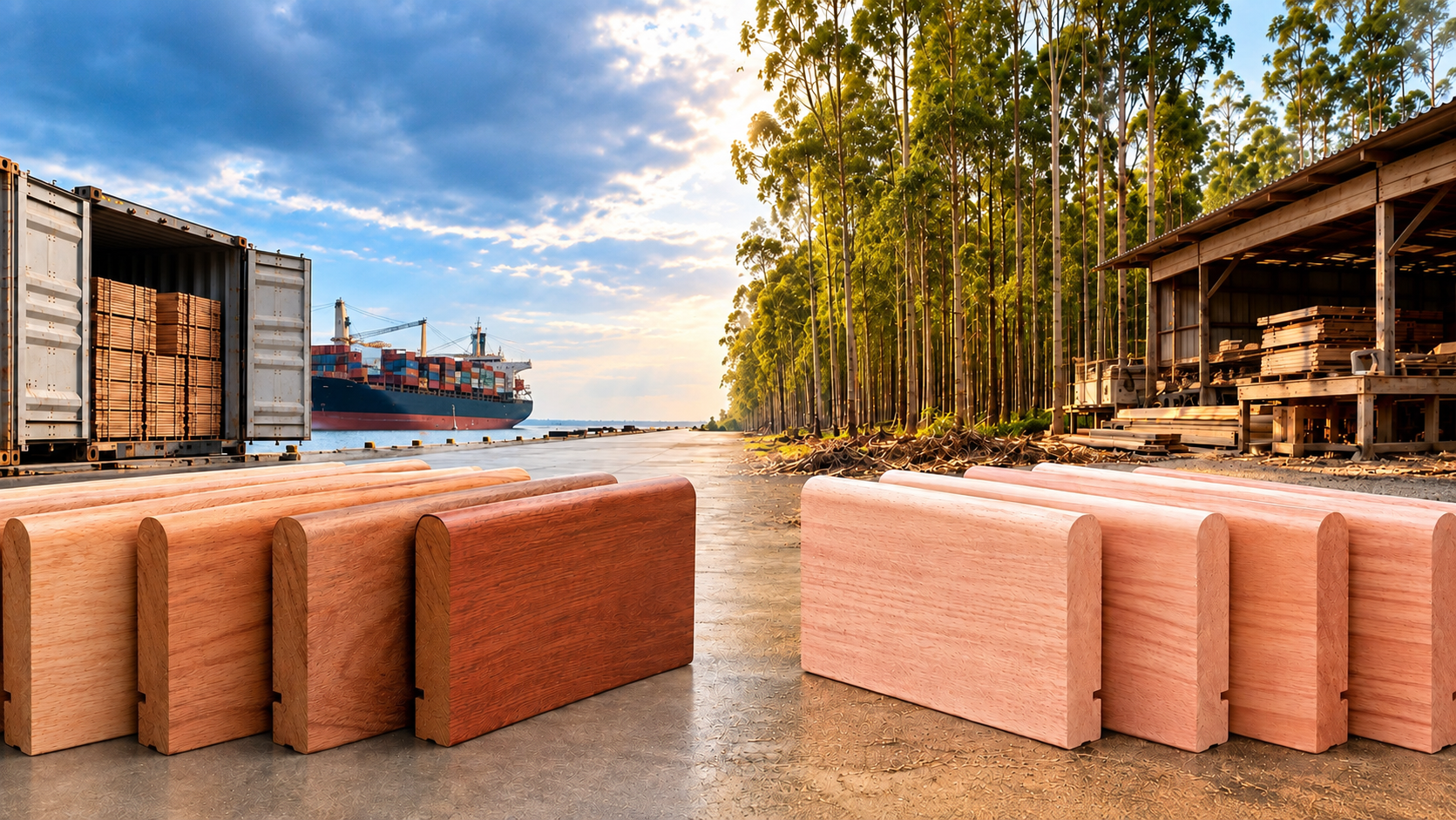
At Visto, we understand how important the finishing touches are. That’s why we supply prime sourced pine skirtings at competitive prices, helping homeowners, installers, and contractors get the quality they expect — without overpaying.
Best Use Cases for Pine Skirtings
Pine skirtings are ideal for:
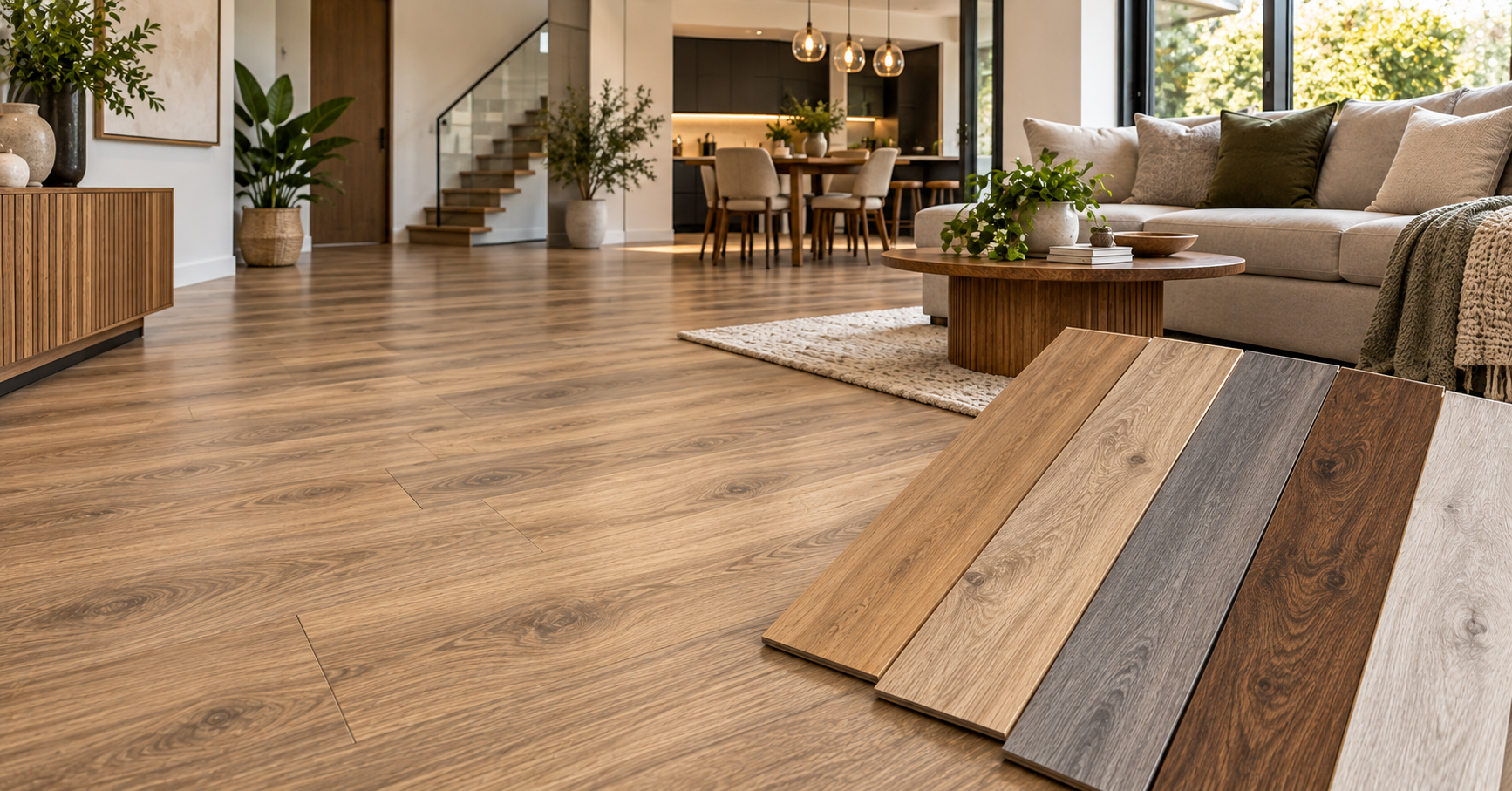
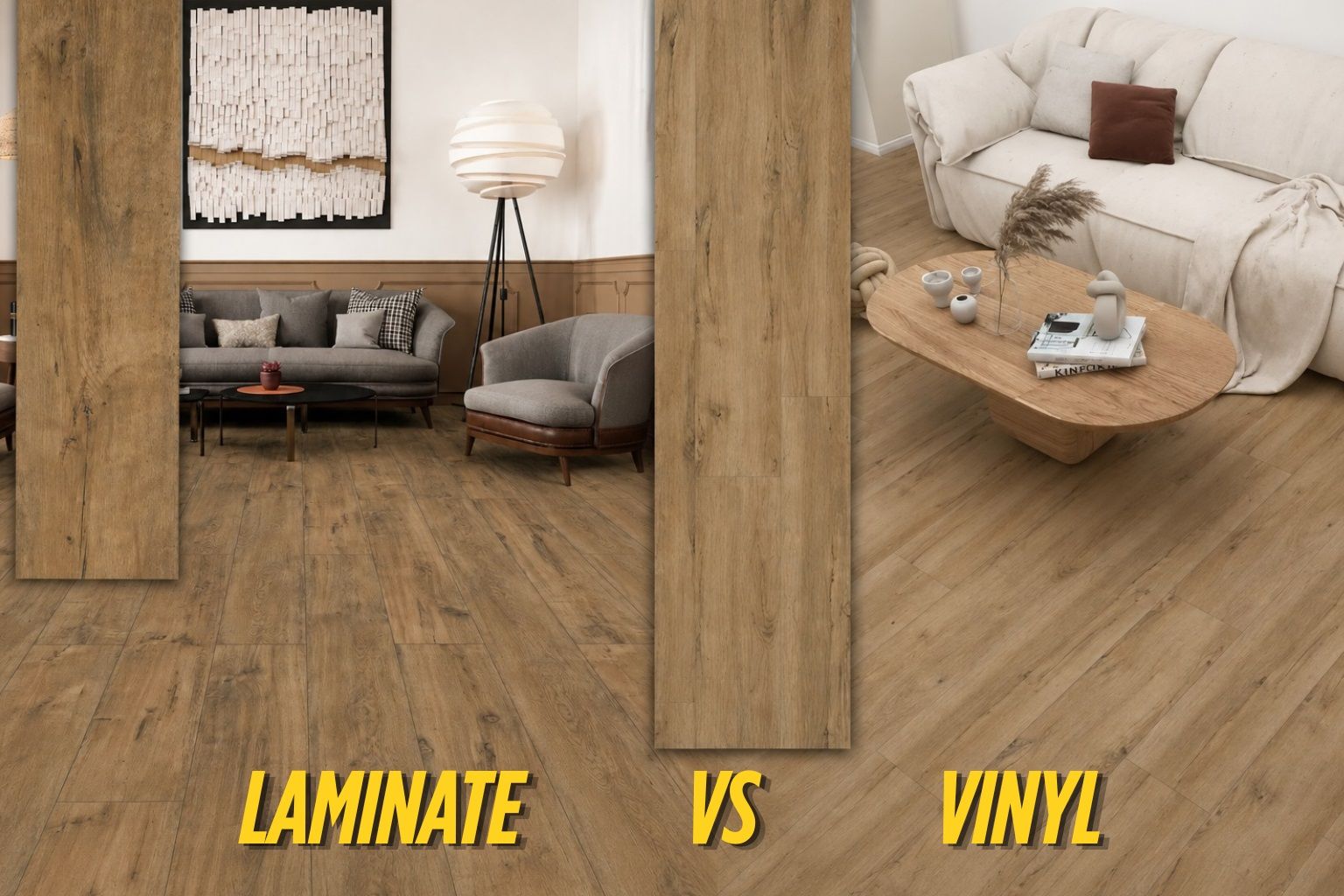
- Laminated flooring installations
- Vinyl flooring installations
- Wooden floors and engineered floors
- Bedrooms, lounges, passages, and offices
- Renovations and new builds
Whether you want a modern square-edge look or a more decorative profile, choosing the right grade ensures your skirtings enhance the room — not distract from it.
Final Thoughts: Choose Quality First
Pine skirtings may seem like a small detail, but they make a massive difference to how “finished” a space feels.
To get the best results:
✅ Choose the correct grade for your project
✅ Invest in better quality boards where appearance matters
✅ Buy from a supplier you can trust
✅ Prioritise prime sourced pine for a cleaner, longer-lasting finish
Looking for Prime Sourced Pine Skirtings at Competitive Prices?
Explore Visto’s range and get the right skirtings for your project with confidence: